What Is Color Night Vision? Does It Really Matter for Security Cameras?
What Is Color Night Vision?
Color night vision is a camera feature that helps a security camera record color video at night or in low-light conditions. A normal infrared camera often records black-and-white video at night. A color night vision camera tries to keep color details, such as the color of a car, clothing, a package, or a gate. This can make nighttime footage easier to understand when you review it later.
Why Color Night Vision Matters
Nighttime is one of the most important times for a security camera. A camera may look very clear during the day, but it must also work well after dark. If the camera cannot show useful details at night, the video may not help much when something happens. Color information can help identify vehicles, clothing, objects, and movement more clearly than black-and-white footage in many situations.
How Regular Infrared Night Vision Works
Infrared night vision uses IR light that is usually not visible to human eyes. The camera sends infrared light into the scene, and the camera sensor captures the reflection. This usually creates black-and-white video. Infrared is useful because it can work in very dark areas, but it may not show color details.
How Color Night Vision Works
Color night vision normally works in one of two ways. Some cameras use very sensitive sensors and large-aperture lenses to collect more available light from streetlights, porch lights, moonlight, or nearby buildings. Other cameras use built-in white lights, spotlights, or floodlights to brighten the area so the camera can record in color.
Starlight Night Vision
Starlight night vision uses a sensitive camera sensor to make better use of small amounts of available light. It can help the camera keep color in low-light conditions. However, it usually needs some light in the area. If the area is completely dark, the camera may switch to infrared or need extra lighting.
Full-Color Night Vision
Full-color night vision often uses white LEDs, spotlights, or floodlights. When the camera detects motion or when the feature is turned on, the light helps the camera record the scene in color. This can improve identification, but the visible light may be noticeable to people nearby.
Color Night Vision vs Infrared Night Vision
Color night vision and infrared night vision solve different problems. Infrared is useful when the area is very dark and you need basic visibility. Color night vision is useful when you need more detail, such as vehicle color, clothing color, or a clearer view of what happened.
When Color Night Vision Helps
Color night vision can be useful at front doors, driveways, garages, backyards, side entrances, small business entrances, parking areas, and locations where vehicle or clothing details matter. It can also help when the camera has motion detection or AI detection, because a clearer image can make events easier to review.
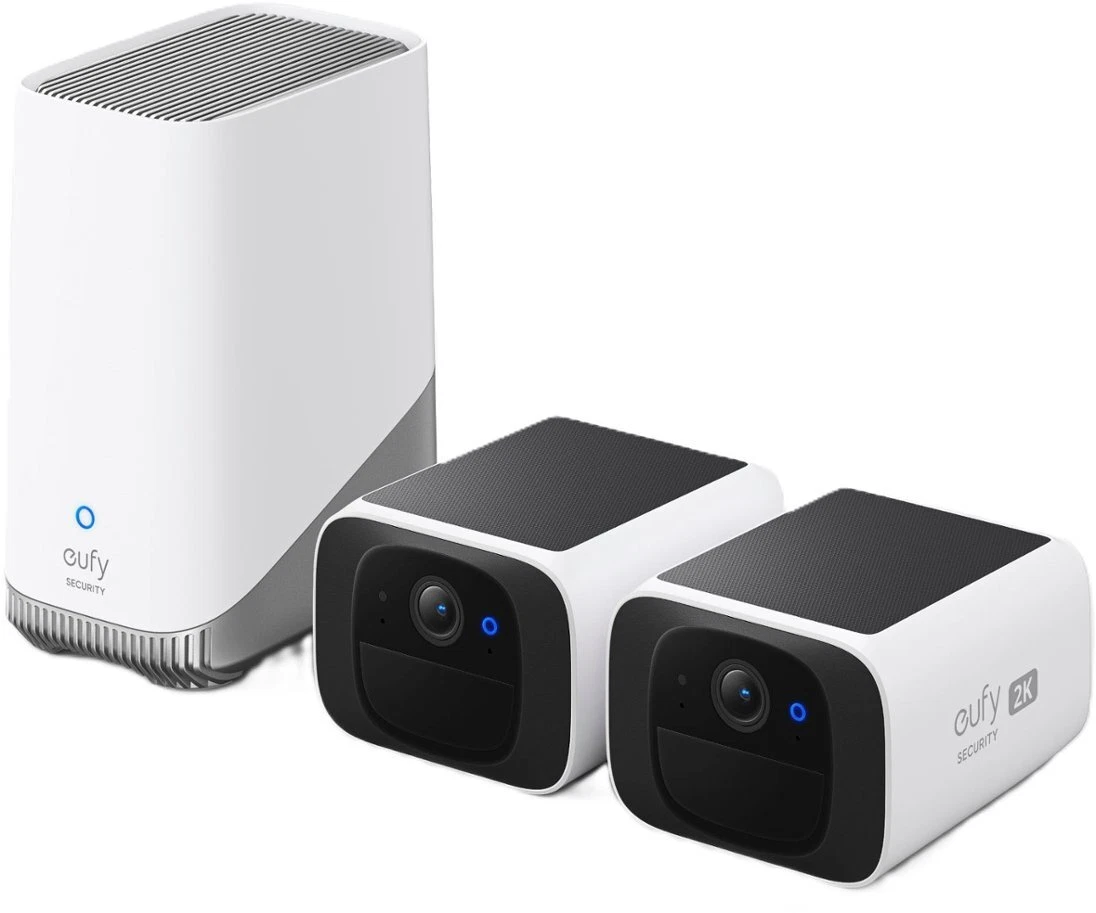 eufy SoloCam S220, TP-Link Tapo C420S2, and SwitchBot Video Doorbell are among our picks with strong low-light sensors. Night vision behavior can change between firmware and hardware revisions, so check the current product listing for color night vision support before buying. Product availability, shipping, and pricing may vary by region.
See the picks →
When Infrared May Be Better
Infrared may be better when you want a camera to monitor quietly without turning on a visible light. It can also be useful in places where a spotlight would disturb neighbors, attract attention, or create glare. For some locations, a good infrared camera is still a better choice than a weak color night vision camera.
Common Mistakes
A common mistake is assuming that every camera with "color night vision" will perform well in every dark area. The real result depends on several things working together: sensor quality, lens aperture, lighting, distance, camera angle, Wi-Fi signal, storage quality, and firmware. Another mistake is pointing the camera toward reflective surfaces, white walls, glass, or bright lights. These can cause glare and reduce image quality.
How to Choose the Right Night Vision Camera
Before buying a camera, check how the camera creates night vision. Look for real night sample footage, not only marketing photos. Check whether the camera uses infrared, starlight technology, white light, or a spotlight. Think about your property. A front door may need different night vision than a long driveway, garage, or backyard.
Color night vision can be very useful, but it is not magic. A camera still needs good placement, enough useful light, proper settings, reliable power, and stable storage. At HB Tech Pros, we would not choose a camera only because the box says "color night vision." We would look at real night footage, detection quality, installation position, and how the camera performs in the area where it will actually be installed. The goal is not only to see at night. The goal is to capture useful details when they matter.
Quick Field Checklist
- Check the camera image after dark, not only during the day.
- Test the camera from the distance where people or vehicles will actually appear.
- Avoid pointing the camera directly at bright lights, glass, white walls, or reflective surfaces.
- If using a spotlight, make sure the light does not disturb neighbors or create too much glare.
- If using wireless cameras, check Wi-Fi signal at the camera location.
- Save one real night screenshot for your article or review page.
- Compare color night vision and infrared mode if the camera supports both.
FAQ
Is color night vision better than infrared?
Not always. Color night vision is better when color details matter. Infrared can be better when the area is very dark or when you do not want visible light.
Does color night vision work in complete darkness?
Some cameras need some ambient light. Other cameras use built-in white lights or spotlights to record in color. Always check the camera specifications and real sample footage.
Why does my night video look blurry?
Night video can look blurry because of low light, glare, dirty lens, poor focus, weak sensor quality, motion blur, or reflective surfaces near the camera.
Is color night vision useful for a driveway?
Yes, it can be useful because car color, clothing color, and object details can matter. A driveway camera should also have good placement, reliable power, and enough useful light.
Should I buy a camera only because it says color night vision?
No. Look at real night sample footage, storage options, motion detection, Wi-Fi or PoE reliability, weather rating, and how the camera will be installed.
Can color night vision help motion detection?
A clearer night image can make events easier to review. However, detection quality still depends on camera placement, sensitivity, zones, lighting, and the type of detection technology.