What Is LiFePO4? Battery Technology Explained
LiFePO4 stands for lithium iron phosphate. It is a rechargeable lithium-ion battery chemistry commonly used in portable power stations, solar storage, RV batteries, marine systems, and backup power equipment. It is also called LFP.
For HB Tech Pros, LiFePO4 is important because many modern backup power products now use this chemistry. When comparing EcoFlow, BLUETTI, Jackery, Anker, or other power stations, the battery chemistry can affect lifespan, safety, weight, cost, and long-term value.
Why LiFePO4 Is Popular
LiFePO4 batteries are often selected where long service life and thermal stability matter more than having the absolute smallest or lightest battery. Compared with some other lithium chemistries, LiFePO4 is widely used in energy storage applications because it fits repeated charging and discharging well.
- Long cycle life for repeated charging and discharging.
- Stable chemistry with strong thermal safety characteristics.
- Good fit for solar storage and backup power.
- Lower maintenance than lead-acid battery systems.
- Useful for equipment that may sit ready for outages and then cycle heavily when needed.
LiFePO4 vs. Lead-Acid Batteries
Lead-acid batteries are older and still used in many systems, but LiFePO4 has become popular because it can provide more usable energy, longer cycle life, and lower maintenance in many applications. Lead-acid may still be cheaper up front, but LiFePO4 often wins when long-term use is considered.
| Feature | LiFePO4 | Lead-Acid |
|---|---|---|
| Cycle life | Usually much stronger for repeated cycling | Shorter cycle life under deep discharge |
| Maintenance | Low maintenance with proper BMS and charger | Can require more care depending on type |
| Weight | Often lighter for comparable usable energy | Usually heavier |
| Upfront cost | Usually higher | Usually lower |
| Best fit | Power stations, solar storage, RV, backup power | Budget systems and legacy applications |
Important Battery Terms
- Cycle life: how many charge and discharge cycles the battery can handle before capacity drops significantly.
- Depth of discharge: how much of the battery capacity is used before recharging.
- BMS: Battery Management System. It helps protect the battery from unsafe operating conditions.
- Nominal voltage: the typical working voltage of each cell or battery pack.
- Capacity: usually expressed in watt-hours for power stations or amp-hours for battery packs.
Where LiFePO4 Makes Sense
- Portable power stations used for outages, camping, and job sites.
- Solar battery storage where repeated charging cycles are expected.
- RV and van power systems.
- Security camera backup power where reliability matters.
- Home preparedness systems for routers, cameras, lights, and essential electronics.
What to Watch For
LiFePO4 is strong, but it is not magic. Battery quality still depends on the cells, BMS, charger, enclosure design, thermal management, and manufacturer support. A poorly designed battery pack can still perform badly even if the chemistry label sounds good.
- Check total watt-hours, not only the marketing name.
- Check continuous output and surge output.
- Check solar input limits if solar charging matters.
- Check warranty and replacement support.
- Check whether cold-weather charging protection is included if the equipment will be used outdoors.
For backup power and solar-related products, we generally like LiFePO4 because the chemistry is well matched to repeated cycling, long-term storage, and practical energy use. It is especially useful for power stations and solar storage products where the owner expects years of service. The best buying decision still depends on capacity, output rating, recharge options, warranty, and real load requirements. Before choosing a power bank or power station, use our power station sizing calculator to check off your actual devices and see how many watt-hours you really need.
FAQ
Is LiFePO4 the same as lithium-ion?
LiFePO4 is one type of lithium-ion battery chemistry. It uses lithium iron phosphate and is often selected for energy storage, power stations, RV systems, and backup power.
Why do power stations use LiFePO4?
Many power stations use LiFePO4 because the chemistry is well suited for repeated charging cycles, long service life, and backup power applications.
Is LiFePO4 better than lead-acid?
For many backup power and solar storage uses, LiFePO4 can provide longer cycle life, lower maintenance, and more usable energy than lead-acid. Lead-acid may still cost less up front.
Does LiFePO4 work for solar storage?
Yes. LiFePO4 is commonly used in solar storage and portable power systems because it handles repeated charge and discharge cycles well.
What should buyers check before choosing a LiFePO4 power station?
Buyers should check watt-hours, continuous output, surge output, solar input, warranty, charging options, and whether the unit fits the actual loads they want to run.
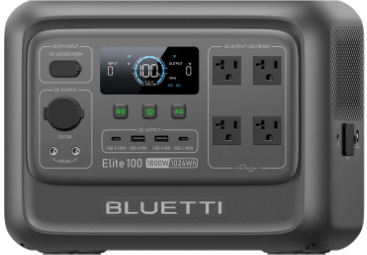 BLUETTI, EcoFlow, and Jackery